Effective Sludge Thickening Solutions for Southeast Asia’s WWTPs
ពេលវេលាអានប៉ាន់ស្មាន៖ ៧ នាទី
- Understanding the unique hydraulic and solids challenges in Southeast Asia’s WWTPs.
- Importance of efficient screening and sludge handling for operational success.
- Overview of advanced technology solutions, including screening and thickening equipment.
- Key design and selection criteria for wastewater treatment technologies.
- Guidance on maintenance planning and integration of new technologies.
តារាងមាតិកា
- សេចក្តីផ្តើម
- The Real-World Problem
- Importance of Proper Sludge Handling
- Technology Solutions
- លក្ខខណ្ឌជ្រើសរើស និងការរចនាគន្លឹះ
- ការអនុវត្ត ប្រតិបត្តិការ និងផែនការថែទាំ
- សំណួរដែលសួរញឹកញាប់
- សេចក្តីសន្និដ្ឋាន
សេចក្តីផ្តើម
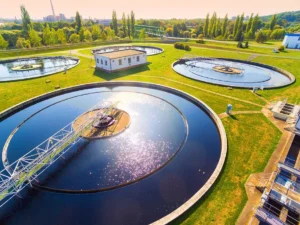
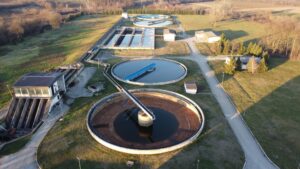
In Southeast Asia, municipal wastewater treatment plants (WWTPs) face unique challenges due to factors such as hydraulic loads, solid concentrations, and seasonal variations in raw influent quality. The need for efficient headworks, screening, thickening, and sludge handling processes is vital to ensuring the success of wastewater management strategies. This document discusses practical solutions that align with the operational realities faced by engineers, EPC contractors, and WWTP operators in the region.
The Real-World Problem
Hydraulic and Solids Load
WWTPs in Southeast Asia are often designed to manage varying hydraulic substrates. These plants need to handle peak flows during monsoon seasons while maintaining operational efficiency during dry periods. Variations in solids concentrations can significantly affect the treatment process. High solids loads lead to equipment strain, while lower loads may result in under-utilization of resources.
ការចាក់បញ្ចាំង និងបញ្ហាភក់
Screenings present a substantial challenge, as they bulk up the sludge and can cause significant operational inefficiencies if not properly managed. Larger debris can clog pumps and downstream processes, resulting in downtime and increased operational costs. Over time, inadequate screenings management leads to increased maintenance requirements for mechanical systems and can compromise the entire treatment process.
ការពិចារណាលើអាកាសធាតុ
The tropical climate of Southeast Asia exacerbates challenges in wastewater management. High temperatures and humidity can foster anaerobic conditions, leading to odor issues and increased biological activity in solids handling processes. Therefore, effective control and management of sludge are crucial to maintain treatment efficiency and comply with regulatory standards.
Importance of Proper Sludge Handling
Properly managing headworks, screening, thickening, and sludge handling is critical for several reasons:
- ប្រសិទ្ធភាពប្រតិបត្តិការ: Effective screening and thickening technologies reduce the volume of the sludge to be treated downstream, allowing the WWTP to operate efficiently.
- Regulatory Compliance: Meeting environmental regulations is essential. Effective sludge management ensures compliance with discharge limits and standards.
- Cost-Effectiveness: Minimizing the need for manual interventions and equipment downtime translates to lower operating costs.
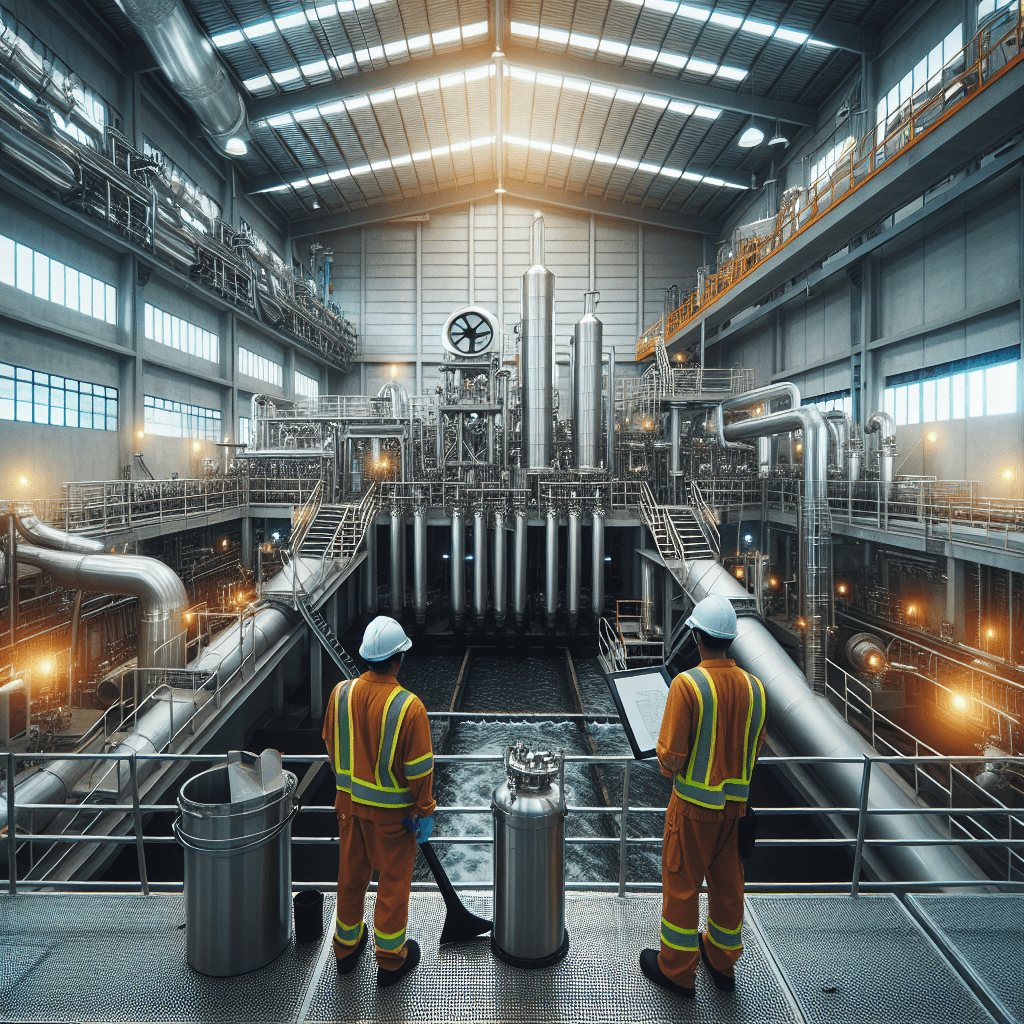
To address these challenges, various technologies from Passavant / Aqseptence Group offer streamlined solutions tailored to municipal needs. ដំណោះស្រាយ Passavant របស់យើង include a range of equipment specifically designed to optimize each stage of the wastewater treatment process.
Technology Solutions
Screening Solutions
- អេក្រង់ក្រុមតន្ត្រី Centre-Flo: Designed for high-capacity applications, these screens provide efficient removal of large debris from influent, enhancing the operational reliability of downstream processes.
- អេក្រង់ជំហាន: With their inclined design, step screens effectively capture screenings while minimizing maintenance needs through self-cleaning processes.
- អេក្រង់បារ: For finer screening applications, bar screens filter out smaller particles, ensuring that only treated water moves downstream.
These technologies serve as the frontline in protecting the treatment plant’s operations by removing unwanted materials and ensuring a consistent quality of influent entering the treatment process.
ដំណោះស្រាយក្រាស់
- ROEFILT ស្គរក្រាស់: Innovative and efficient, ROEFILT drum thickeners optimize sludge thickening processes, enhancing dewatering stages and improving solid concentrations effectively. The design of these thickeners ensures high operational reliability and ease of maintenance, making them ideal for tropical conditions.
- ប្រព័ន្ធបង្ហូរលំហូរ: These complementary systems aim to optimize effluent quality while enhancing sludge handling efficiency.
Screens Handling Equipment
Effective management of screenings from the above technologies is pivotal in maintaining optimal operational capacity:
- Screenings Handling Equipment: Utilized for the transfer, compaction, and removal of collected screenings, these systems minimize manual handling and enhance overall productivity.
លក្ខខណ្ឌជ្រើសរើស និងការរចនាគន្លឹះ
When selecting and designing WWTP solutions, several critical factors must be considered:
- អត្រាលំហូរ: The expected inflow rates must align with the equipment’s capabilities to prevent underutilization or overstressing.
- Slot Sizes and Capture Rates: Ensuring the mechanical screens capture the right particle sizes is essential to maintain treatment efficiency.
- Dry Solids Percentage (DS%): Understanding the expected DS% in sludge is crucial for assessing thickening efficiency and energy requirements.
- លែងត្រូវការតទៅទៀត។: Implementing redundancies in critical systems preserves operational continuity and reliability.
- Footprint: The physical dimensions of equipment must be optimized to fit within the space constraints of urban environments.
- តម្លៃវដ្តជីវិត: Total cost of ownership, including maintenance, energy consumption, and service support, should drive equipment selection decisions.
Assessment of plant conditions and individual needs is essential in matching the right technology solutions to achieve efficient design and operational performance. For a personalized consultation, request a design review via ទាក់ទងក្រុមវិស្វកររបស់យើង។.
ការអនុវត្ត ប្រតិបត្តិការ និងផែនការថែទាំ
ការវាយតម្លៃលក្ខខណ្ឌរុក្ខជាតិ
A thorough understanding of current plant operations, hydraulic profiles, and sludge characteristics is vital for effective implementation of new technologies. Engineers should conduct an in-depth analysis of existing infrastructure and identify any operational bottlenecks before moving towards new installations.
ជម្រើសបច្ចេកវិទ្យា និងការកំណត់រចនាសម្ព័ន្ធ
Based on the assessment, multiple technologies can be evaluated for compatibility with existing systems. Custom configurations, such as the integration of multiple screening solutions with thickeners, may provide enhanced operational synergies.
ចំណុចត្រួតពិនិត្យការរចនា និងទំហំ
Key design checkpoints must be established during project execution to optimize performance. Regular design reviews are necessary to ensure systems align with operational parameters and performance expectations.
Operations, Maintenance, and Lifecycle Planning
Regular maintenance planning must align with operational requirements to ensure that technology investments yield dividends over their lifecycle. Training of operational staff on maintenance and troubleshooting techniques reduces reliance on external resources, improving efficiency and response times. Maintaining spare parts inventory and establishing OEM support through WavePulse ensures quick response times and minimizes downtime risks.
Consult with our experienced team for integrated operational support and lifecycle planning opportunities via ទាក់ទងក្រុមវិស្វកររបស់យើង។.
សំណួរដែលសួរញឹកញាប់
What are the design ranges for rotary drum thickeners?
Rotary drum thickeners typically handle flow rates from 10 m³/h to 50 m³/h effectively. The specific design should be tailored to match the unique conditions and requirements of the wastewater treatment facility.
How can I optimize loading and screenings capture?
Adequate assessment of influent characteristics and proper slot sizing in bar screens and other screening technologies can enhance capture rates. Consulting with experienced engineers may provide insights into optimizing configuration.
What are the retrofit constraints for new technologies in existing plants?
Retrofits can encounter space limitations, existing hydraulic profiles, and capacity constraints of current equipment. It is crucial to conduct feasibility studies to identify viable options for integrating new technologies.
What are the service and lead times for getting equipment in Southeast Asia?
Lead times vary based on the complexity of the equipment and the distance to manufacturing facilities. However, WavePulse is committed to delivering timely support and solutions tailored to project’s needs in Southeast Asia.
What are typical mistakes to avoid in WWTP design?
Common errors include underestimating peak flow rates, neglecting redundancy in critical components, and failing to take into account the unique climatic conditions of Southeast Asia. Planning and design phases must account for potential operational challenges to ensure project success.
សេចក្តីសន្និដ្ឋាន
In summary, addressing the unique challenges of WWTPs in Southeast Asia requires a comprehensive understanding of hydraulic conditions, screening and thickening solutions, and operational considerations. The technologies provided by Passavant / Aqseptence Group offer effective pathways to streamline operations, maintain compliance, and reduce lifecycle costs. As the official representative, WavePulse Solutions is well-positioned to provide tailored support, ensuring that every facility can meet its long-term operational goals. Explore further solutions at ដំណោះស្រាយ Passavant របស់យើង.