Sustainable Solutions for Wastewater Treatment in Southeast Asia
ເວລາອ່ານປະມານ: 5 ນາທີ
- High Efficiency – Achieves over 30% dry solids with reduced footprint.
- Operational Challenges – Addresses unique regional demands including monsoon flows and high salinity.
- Investment Benefits – Delivers robust ROI through lower energy and maintenance costs.
- Integration Flexibility – Easily retrofitted into existing municipal infrastructure.
- Technical Support – Comprehensive assistance for optimal performance.
Table of contents:
The SEA Operational Challenge
Technical Deep Dive: Passavant Technologies
Design Criteria & Sizing Logic
Economic Case: CAPEX vs. OPEX
Integration & Retrofit
Technical FAQ
The SEA Operational Challenge
Southeast Asia is characterized by diverse climatic conditions and rapid urban development, presenting specific challenges to municipal WWTPs:
- Monsoon-Induced Peak Flows: Seasonal rain can increase wastewater inflows by 2-5 times the dry weather flow.
- High Inorganic Debris: The region’s wastewater often contains significant grit and debris, leading to frequent clogging in dewatering systems.
- Humidity-Driven Corrosion: High temperatures (28-35°C) and moisture levels accelerate the degradation of standard materials.
- Limitations of Low-Cost Local Equipment: Decentralized systems (DEWATS) might offer initial cost savings but have significant operational liabilities.
ໄດ້ SUEZ Dehydris™ Twist system offers a compact and resilient solution, making it an ideal choice for challenging operational realities.
Technical Deep Dive: Passavant Technologies
WavePulse Solutions provides high-efficiency systems specifically designed to tackle the idiosyncratic challenges faced by WWTPs:
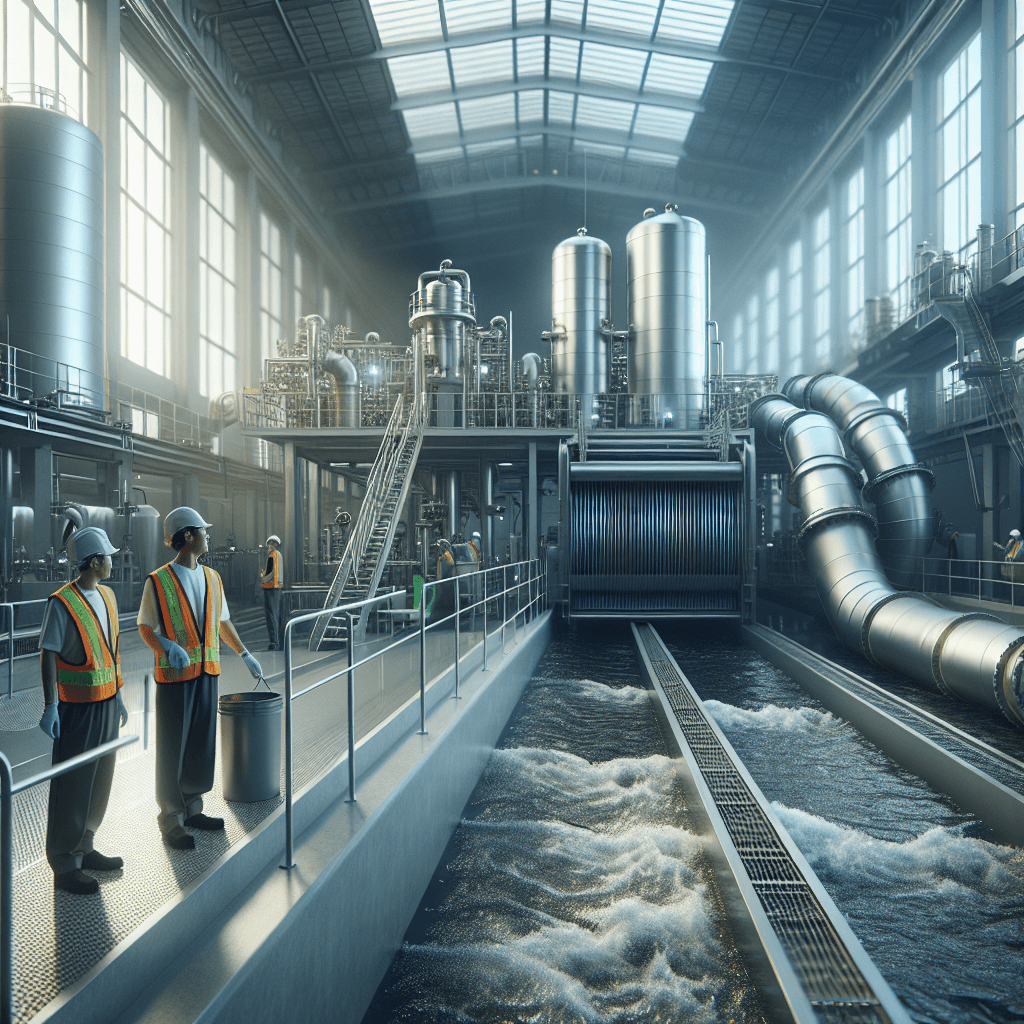
- KUR/CF Rotary Screens: Remove 3-6 mm sized grit/debris at speeds of 1-3 m/min.
- ROEFILT Drum Thickeners: Handle monsoon surges while effectively preconditioning sludge to 5-8% DS.
- Roepress Screw Presses: Achieve target DS of 25-35% from tropical sludge with SS316L construction.
These technologies integrate seamlessly for stability and low maintenance throughout their lifecycle.
Design Criteria & Sizing Logic
Designing an efficient sludge dewatering system is crucial, especially with seasonal variations:
- Target Dewatering Performance: Achieve 25-35% DS from feed sludge concentrations of 2-4%.
- Sizing Logic: Utilize 2-4 parallel screw press units to manage inflows up to 2 times the average daily flow.
- Material Selection: Use SS316L material to withstand corrosive nature.
Proper sizing ensures stability and efficiency, even under challenging conditions.
Economic Case: CAPEX vs. OPEX
When considering CAPEX versus OPEX, investing in high-efficiency technologies yields:
- Initial Investment vs. Long-term Savings: While the upfront cost may be higher, substantial long-term savings are realized through lower energy costs.
- Maintenance and Parts Longevity: The Dehydris™ Twist leads to 30% lower OPEX over 20 years.
These factors make a compelling case for municipal investment in proven technologies.
Integration & Retrofit
Integrating the SUEZ Dehydris™ Twist can yield enhanced performance:
- Compatibility with Existing Infrastructure: Compact footprint ideal for retrofit scenarios.
- Operational Enhancements: Rotary screens prevent clogs, streamlining the treatment process.
Adopting these technologies fortifies existing plants and sets new operational standards.
Technical FAQ
- What is the typical dry solids output for the Dehydris™ Twist system?
The system achieves over 30% dry solids output from a 3% feed sludge concentration. - How does the enclosed design impact maintenance?
The enclosed design reduces operator exposure to hazards, leading to lower maintenance needs. - What materials are used in the construction of the system?
SS316L stainless steel is used for durability against corrosion. - How does the system perform under variable inflow conditions?
Features automated control for maintaining capture efficiencies. - What energy efficiency measures are integrated into the design?
Engineered for low energy consumption (8-12 kWh/t DS). - Can the Dehydris™ Twist be retrofitted into existing plants?
Yes, its design allows for easy integration into existing municipal WWTPs.
For further queries or technical support, ຕິດຕໍ່ທີມງານວິສະວະກໍາຂອງພວກເຮົາ.